Helping researchers achieve better answers that change the world

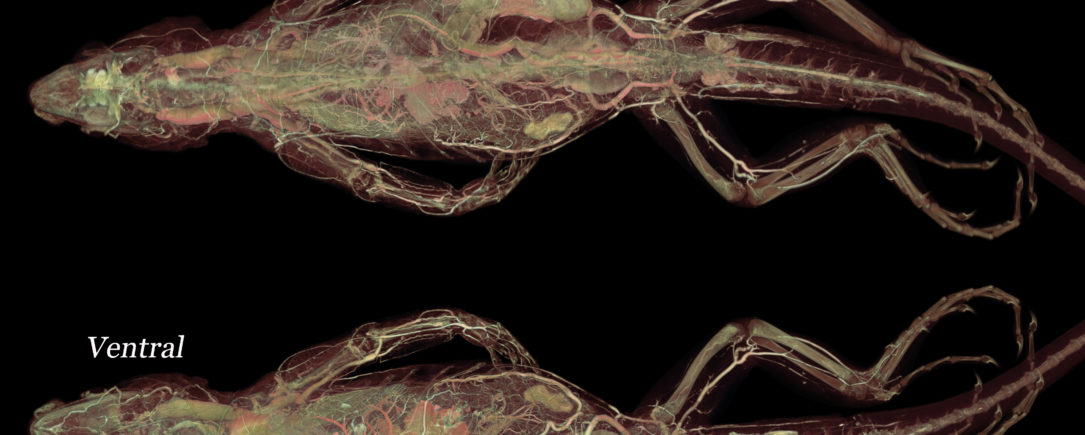
Green Iguana blood supply with BriteVu

Green Iguana blood supply with BriteVu

The green iguana (Iguana iguana) is a common herbivorous lizard found throughout South and Central America,Mexico and the Caribbean.  Recently, this species has become invasive in the southeast United States primarily in south Texas and Florida.  Iguanas are also commonly kept as pets.  As prevalent as these species are in the wild and in captivity, essential anatomic information is still lacking. The ARCIVES project falls under the One Health Initiative at Midwestern University and was established to study vertebrate anatomy. …

Read More

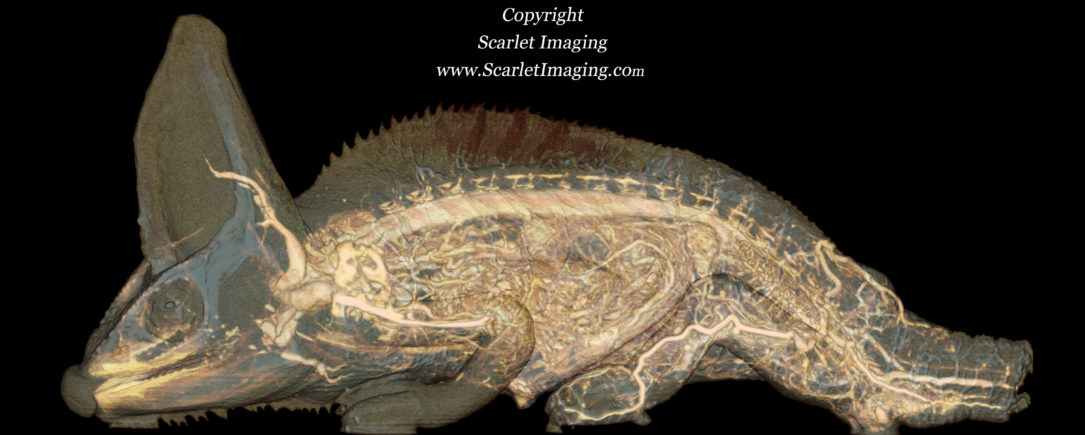
Veiled Chameleon Blood Supply Courtesy of BriteVu

Veiled Chameleon Blood Supply Courtesy of BriteVu

Veiled chameleon perfused with BriteVu showing the blood supply throughout the body! The veiled chameleon (Chamaeleo calyptratus) is a beautiful and strange lizard from the Arabian Peninsula (Yemen and Saudi Arabia). Between the independently moving eyes, long sticky tongue, ability to camouflage and overall strange appearance, chameleons seem like aliens. However, they are highly adapted to their environments and successful insect predators.  The veiled chameleon has even become invasive in Maui, Hawaii and Florida.  This is likely because these chameleons…

Read More

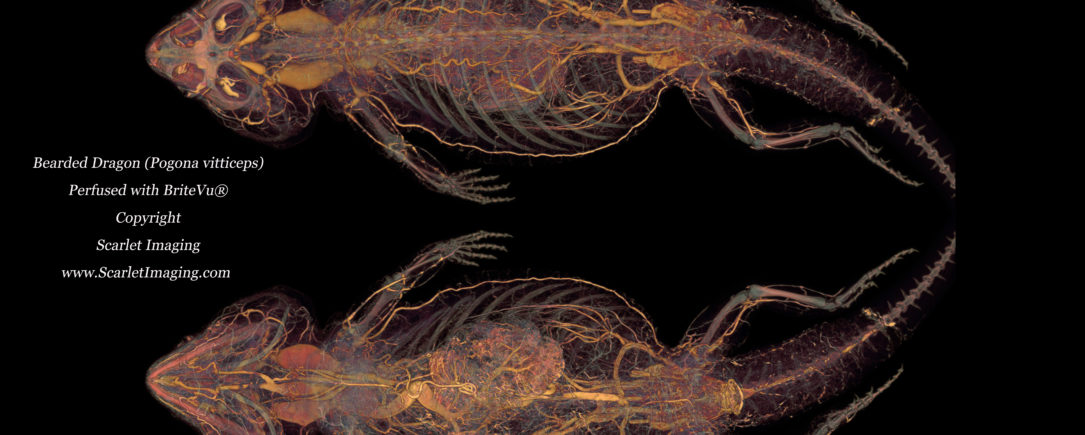
Bearded dragon anatomy as seen with BriteVu

Bearded dragon anatomy as seen with BriteVu

The inland bearded dragon (Pogona vitticeps) lives in the arid to semi-arid regions of central to central-east Australia. Bearded dragons are common pets.  This is in part because of their docile behavior.  Captive bearded dragons are commonly affected by infectious diseases (such as agamid adenovirus), inbreeding and husbandry issues that lead to a variety of medical problems.  Considering how popular beardies are as pets, there is surprisingly limited anatomic information on this species. BriteVu and BriteVu Enhancer, used in this…

Read More

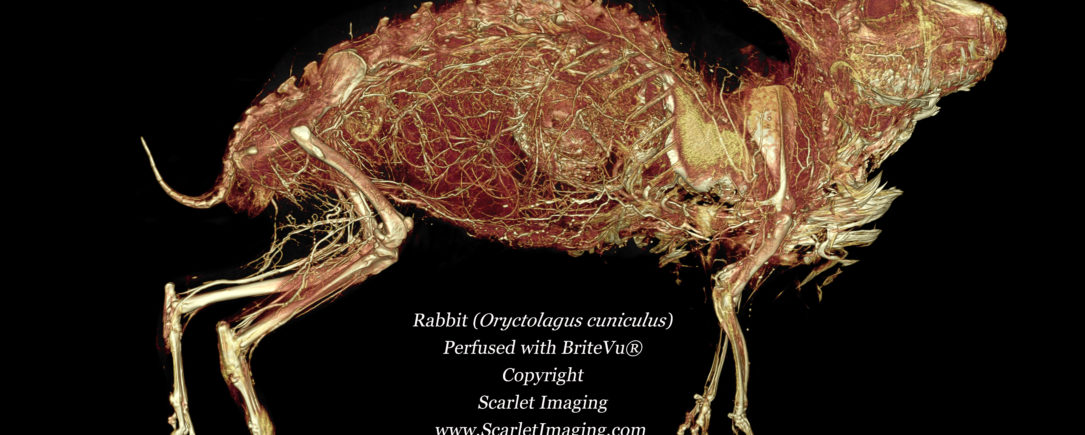
Rabbit Anatomy Highlighted with BriteVu

Rabbit Anatomy Highlighted with BriteVu

European rabbit (Oryctolagus cuniculus) anatomy highlighted with BriteVu.  Rabbits are found throughout nature, research and as popular pets.  Records from Pliny the Elder in the first century BC note keeping rabbits. These and other records suggest rabbits have been with humans for over 2000 years.  Even with the long history of keeping rabbits, we still have a lot to learn about their anatomy and care.  This whole body BriteVu perfusion beautifully highlights the vascular anatomy of an adult, intact, female…

Read More

Common Tenrec Anatomy BriteVu Study!!

Common Tenrec Anatomy BriteVu Study!!

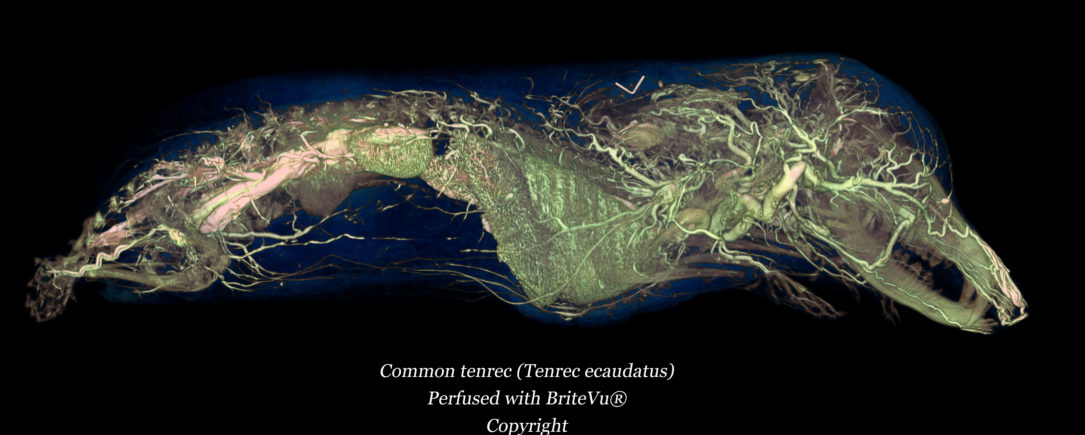
Common tenrec (Tenrec ecaudatus) vascular anatomy as seen with BriteVu. Study conducted at University of Nevada Las Vegas.  Tenrecs are unusual mammals with unique physiology and anatomy and originate primarily from Madagascar.  Dr Frank van Breukelen and his team at UNLV are the leading researchers studying these strange animals.  This tenrec is the first ever to undergo a whole body BriteVu contrast perfusion.  Further, this project was a collaborative effort between UNLV, Touch of Life Technologies and Scarlet Imaging.  The…

Read More

Pony BriteVu Contrast Study

Pony BriteVu Contrast Study

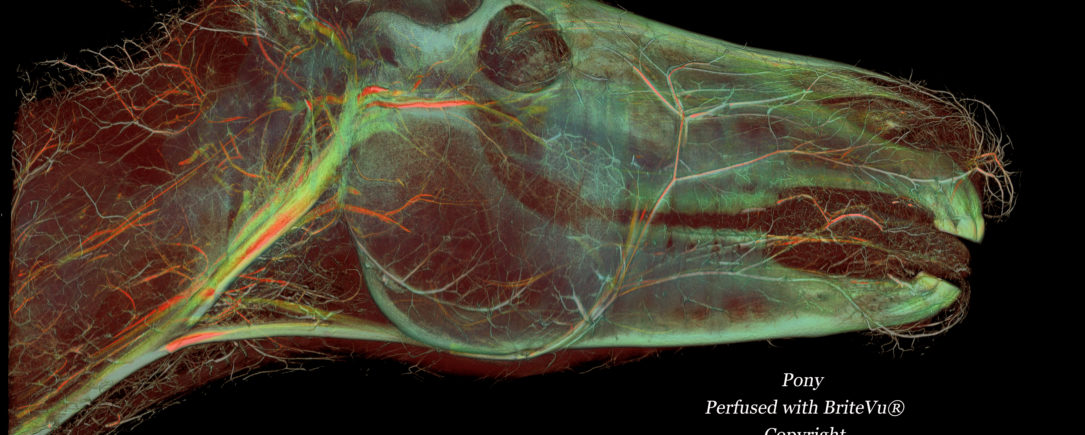
A whole pony perfused with BriteVu.  Procedure performed at the Marion duPont Scott Equine Medical Center, Virginia-Maryland Regional College of Veterinary Medicine.  BriteVu and BriteVu Enhancer were both used in this novel whole body preservation and contrast perfusion.  This represents the first time such a technique was used in an equine species.  A vast amount of data was generated as the pony was perfused head to toe producing vascular contrast down to the capillaries. Dr James Brown and his staff…

Read More

BriteVu used to study Traumatic Brain Injury

BriteVu used to study Traumatic Brain Injury

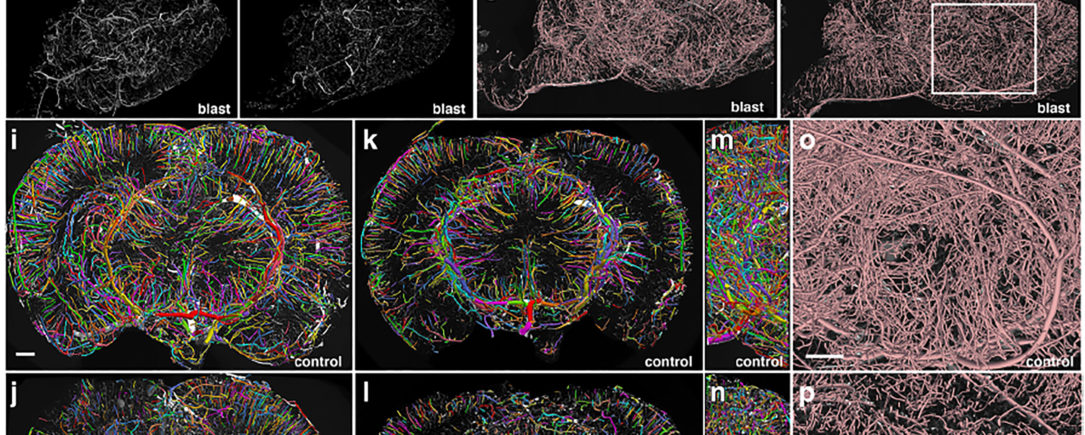
Dr Gama-Sosa and his team (Icahn School of Medicine at Mount Sinai) completed and published a ground-breaking study that better characterizes the effects of traumatic brain injury in rats.  The animals were humanely subjected to low level blast injury that did not result in any obvious general brain histopathology. The injury mimicked the low-level blast exposure that military personnel may be exposed to in combat situations- not the major blast injury that results in obvious physical trauma.  The research team…

Read More

Red eared slider blood supply seen with BriteVu!!

Red eared slider blood supply seen with BriteVu!!

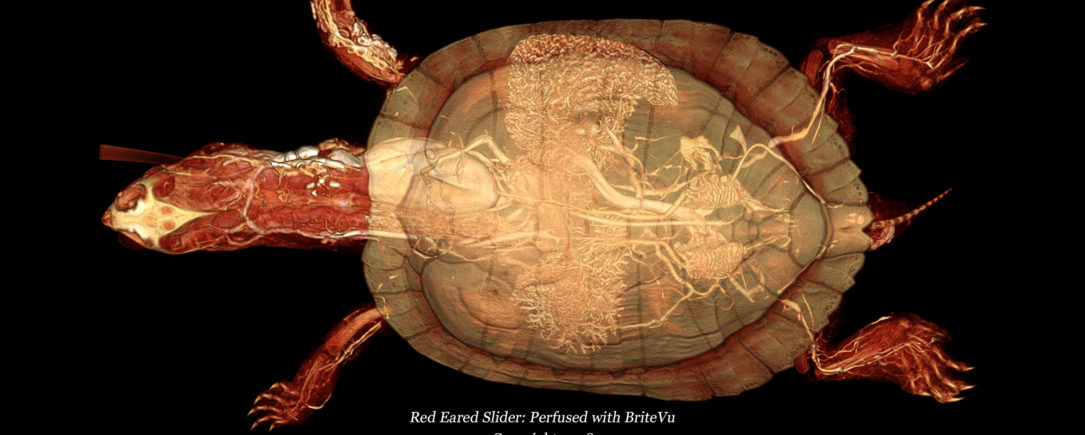
Red eared slider (Trachemys scripta elegans) contrast perfused with BriteVu.  Both the respiratory and vascular systems were being studied in this turtle.  A new protocol using BriteVu and BriteVu Enhancer was used perform a complete perfusion of the vasculature down to the capillaries.  This was a contract study performed in conjunction with Scarlet Imaging.  The composite image highlights both the internal (within the shell) and external vasculature.  The CT was taken with the Epica Vimago system at 200µm.  Individual organs can be…

Read More

BriteVu perfused whole human cadaver!!!

BriteVu perfused whole human cadaver!!!

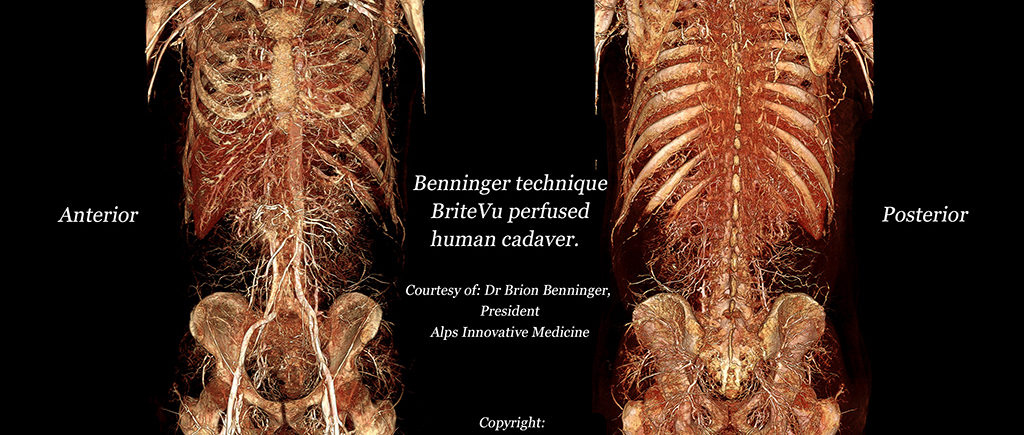
BriteVu perfusion with Benninger technique provides outstanding vascular contrast in small and large human subjects.  Here a male human cadaver has been perfused (from head to toe) with BriteVu.  The thorax, abdomen and pelvis are highly vascular regions.  BriteVu perfused vasculature is easily visualized with CT (aka ‘CAT scan’) and provides large volumes of data for study.  Cadaver vasculature can now be non-invasively studied and integrated into 3D visualization systems such as virtual reality, augmented reality and other learning programs.  BriteVu…

Read More

New technique to visualize the human knee using BriteVu and MRI

New technique to visualize the human knee using BriteVu and MRI

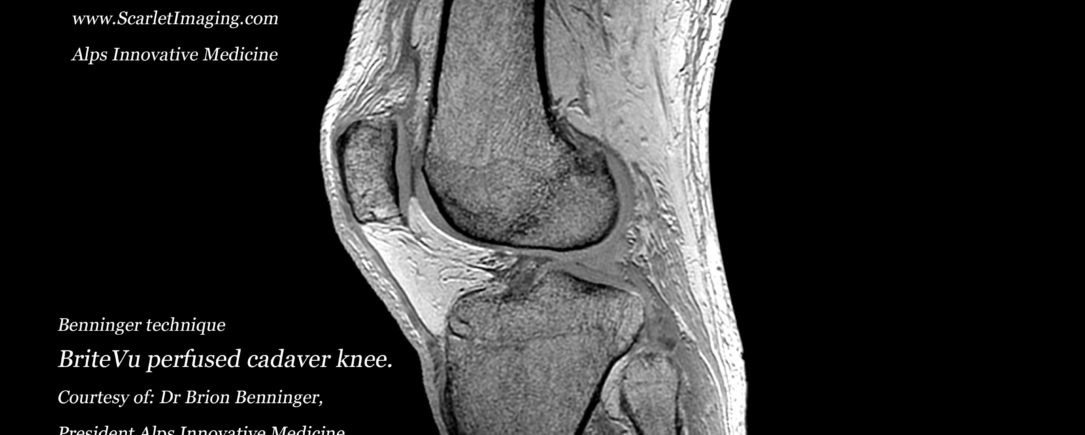
Benninger technique with BriteVu can be used to enhance MRI images.  In this video, BriteVu has been perfused through a human cadaver providing contrast in the knee. The cadaver was subsequently MRI scanned. CT images, highlighting the Benninger technique BriteVu perfused vasculature, of the same cadaver are interspersed through the MRI video. The femur (top), patella (left) and tibia/fibula (bottom) are seen as the video goes through the tissue. Because BriteVu is mixed with water, it serves as a positive contrast with some MRI studies. …

Read More

BriteVu contrast agent perfused human cadaver brain

BriteVu contrast agent perfused human cadaver brain

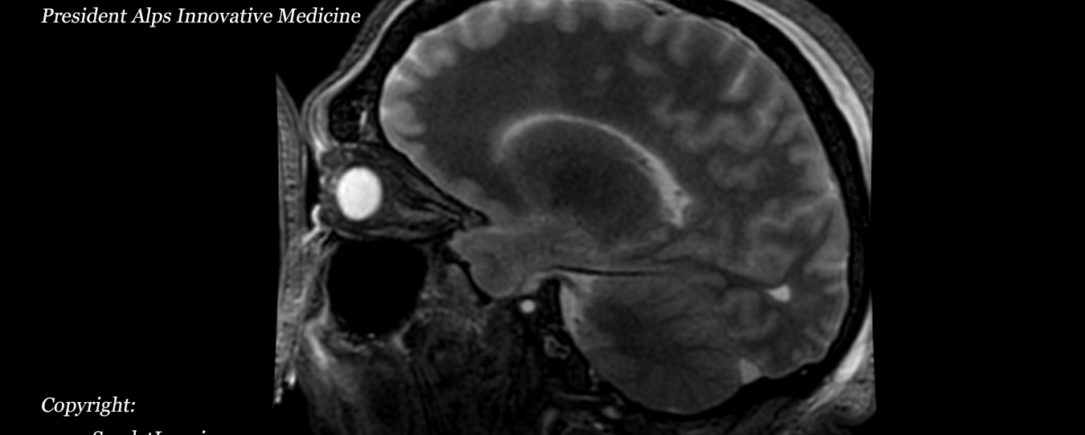
BriteVu with Benninger technique can be used to perfuse the head and brain of a human cadaver to enhance MRI images.  CT images, highlighting the BriteVu perfused vasculature, from the same cadaver are interspersed through the MRI video. Because BriteVu is mixed with water, it serves as a positive contrast with some MRI studies.  Additionally, gadolinium can be added to the BriteVu mix to improve MRI contrast.  BriteVu perfused with Echols technique for animals and Benninger technique for cadavers can be CT and MRI scanned post-perfusion to increase the amount of data collected….

Read More

Grouper (fish) perfused with BriteVu and BriteVu Enhancer

Grouper (fish) perfused with BriteVu and BriteVu Enhancer

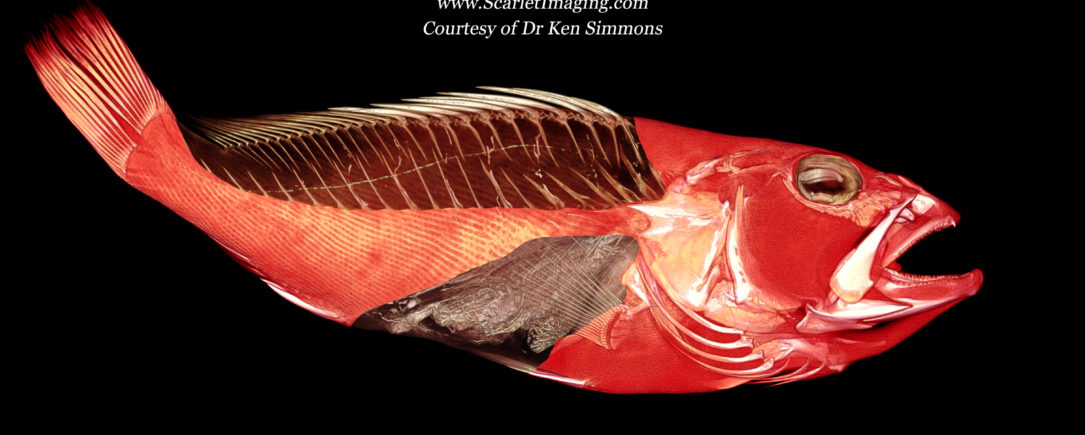
Grouper fish (Epinephelus sp) perfused with BriteVu.  The composite image shows various layers of vasculature that lie beneath the dorsal fin (window on top), adjacent to the pectoral fin (window on bottom) and deep to the eye.  On the top, the perfused blood supply to the lateral line is seen coursing across the side of the fish.  On the bottom the blood supply to the intestines, liver and other vital organs is visualized through the skin and muscles.  Last, large…

Read More