Helping researchers achieve better answers that change the world

Budgie BriteVu anatomy

Budgie BriteVu anatomy

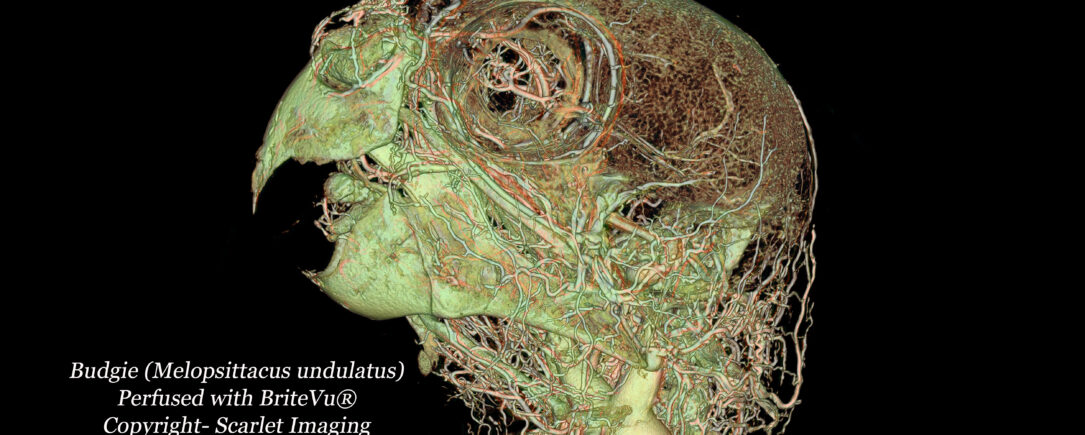
The budgie (budgerigar, or common parakeet, Melopsittacus undulatus) is a beloved companion bird originating from Australia.  While several regional anatomy studies have been performed on the budgie, no comprehensive vascular studies have been completed to date.  This green wild type budgie represents the first full body contrast vascular study scanned at great detail.  This information helps scientists, anatomists and veterinarians better understand this bird.  Ultimately, we hope this information will result in better care for companion birds.  BriteVu in a…

Read More

Opossum BriteVu contrast study!

Opossum BriteVu contrast study!

Opossum (aka Virginia opossum or possum, Didelphis virginiana) perfused with BriteVu and BriteVu Enhancer.  This opossum represents the first ever marsupial species perfused with BriteVu.  As seen in the video, the opossum had a large tumor on its neck leading to humane euthanasia.  Marsupials represent an unusual group of mammals with many anatomic variations (such as a pouch for carrying young).  Most marsupials are found in Australia with a few species (such as this animal) found in the Americas.  The…

Read More

American Alligator as seen with BriteVu!

American Alligator as seen with BriteVu!

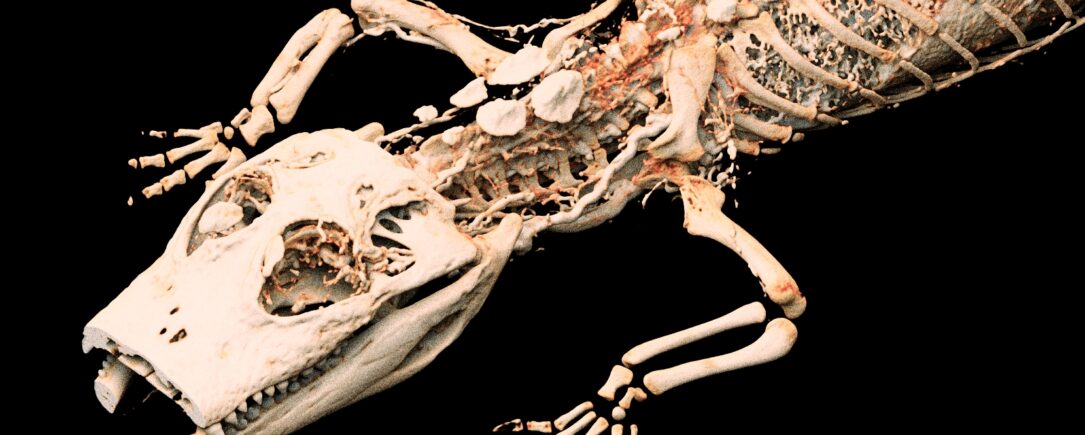
Alligators (Alligator mississippiensis) are frequently studied for their respiratory, neurovascular and skeletal anatomy as they represent early and successful forms that have lasted millions of years.  By understanding this ancient anatomy, scientists can better understand evolution of closely and distantly related species.  This alligator was perfused with BriteVu and BriteVu Enhancer and scanned on an Epica Vimago CT scanner at 200µm slice thickness (https://www.epicainternational.com/).  The CT data sets were then converted into images created using the Anatomage Invivo5 software. For…

Read More

Bamboo Shark contrast study.

Bamboo Shark contrast study.

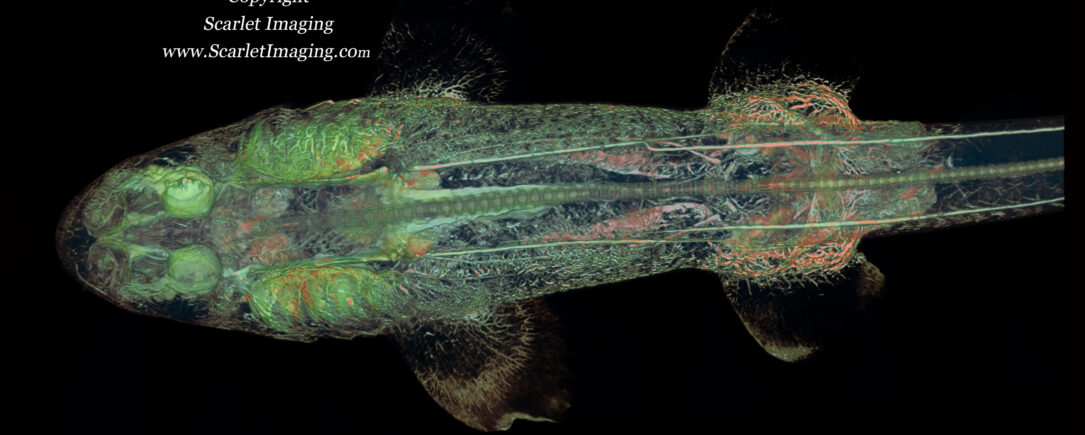
Bamboo sharks (Chiloscyllium plagiosum) are primarily nocturnal and live in Pacific and Indian Ocean coral reefs.  The bottom dwelling sharks are considered harmless and common in large aquariums.  A study was conducted between Sea World, the College of Osteopathic Medicine of the Pacific – Northwest and Scarlet Imaging to document the anatomy of this species.  Additionally, the veterinary team at Sea World and Scarlet Imaging worked to develop anesthesia and live agent contrast imaging doses for bamboo sharks.  The numerous…

Read More

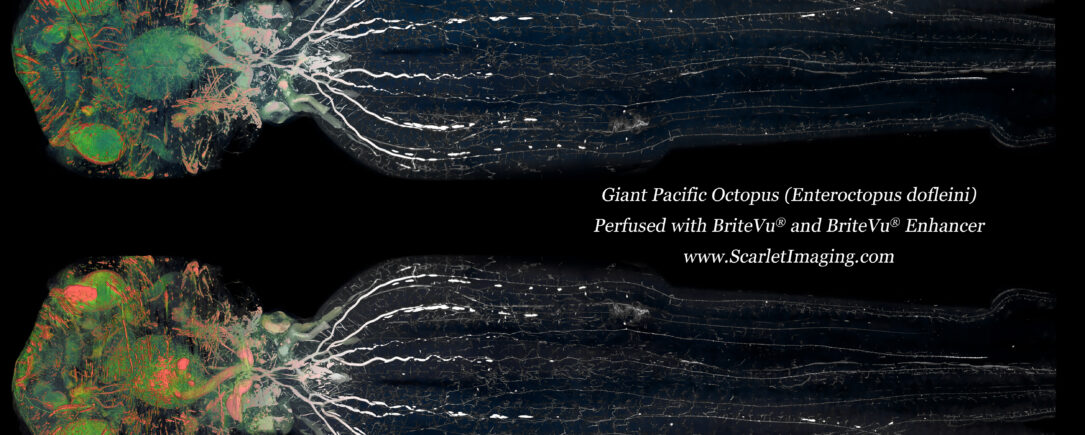
Giant Pacific Octopus BriteVu Study

Giant Pacific Octopus BriteVu Study

The giant Pacific octopus (Enteroctopus dofleini) is both fascinating and beautiful.  This is the largest octopus species and lives in the cold, oxygen rich waters of the Pacific ocean.  These intelligent animals have a short life span and only live 3-5 years in the wild.  The giant pacific octopus breeds once prior to death. After reproducing, these octopus go through a period called senescence.  During this time, the animals stop eating and use their reserves to protect the eggs (females)…

Read More

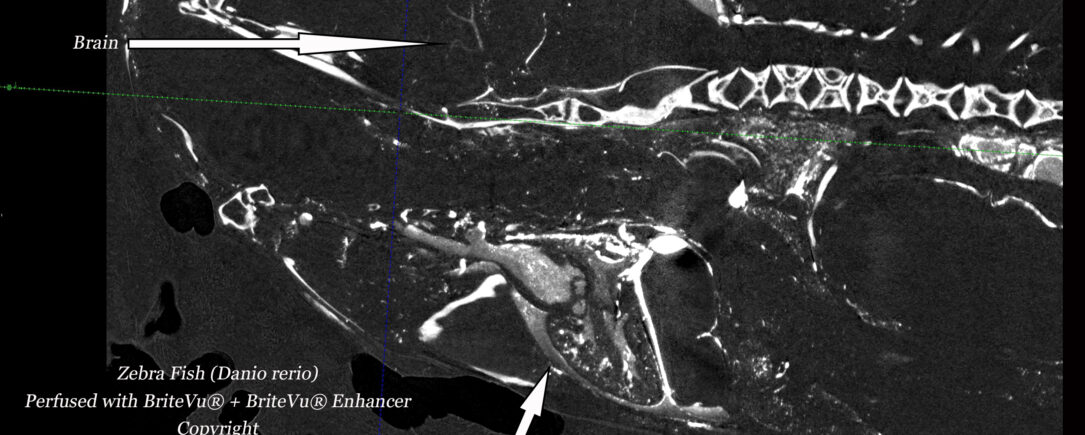
Zebra Fish BriteVu Study

Zebra Fish BriteVu Study

Zebra fish (Danio rerio) are the most studied fish species.  From southeast Asia and popular in the pet trade, Zebra fish are a common vertebrate model in scientific research. These fish are used to study drugs, heart disease, reproduction, genetics and much more.  Their small size (about 1 inch long full grown) decreases their space requirements compared to other large research animals (like rats and pigs).  However, studying vascular models in such small animals poses its own challenges.  Hand made…

Read More

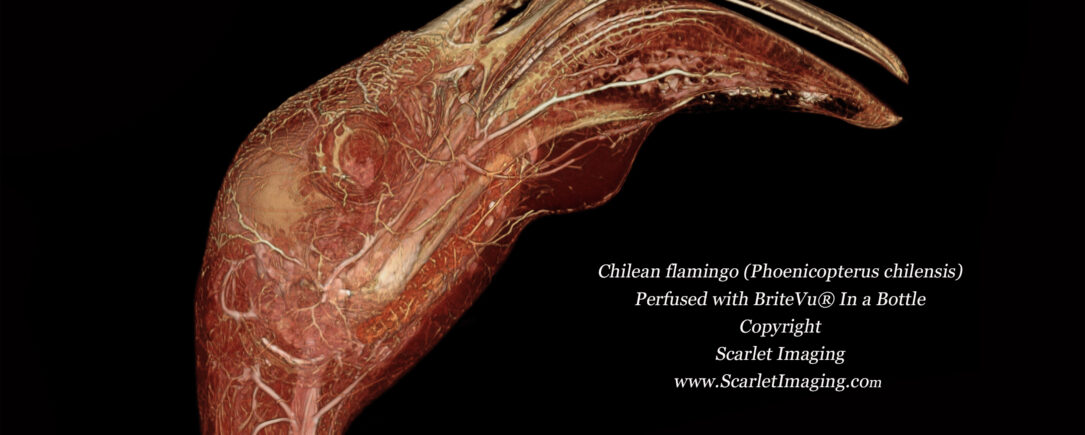
Chilean flamingo with Preservation and BriteVu

Chilean flamingo with Preservation and BriteVu

Chilean flamingos (Phoenicopterus chilensis) are uniquely adapted to salt lagoons and soda lakes of South America.  They are listed as near threatened by IUCN due to water pollution and habitat loss.  They use their comb like structures to filter feed mainly plankton and algae.  This individual was tragically involved in an automobile accident however her head was spared from the trauma and used for a preservation and contrast study. BriteVu in a Bottle was used for contrast and the head…

Read More

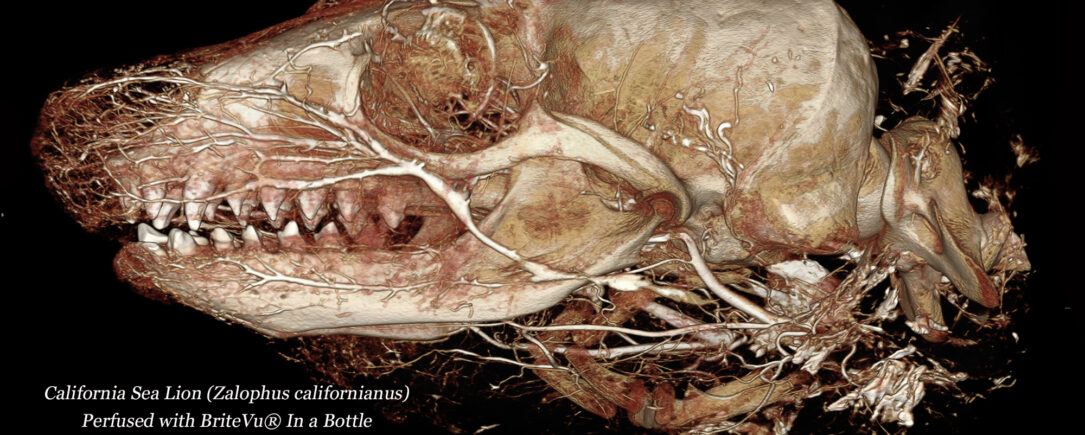
California Sea Lion as seen with BriteVu

California Sea Lion as seen with BriteVu

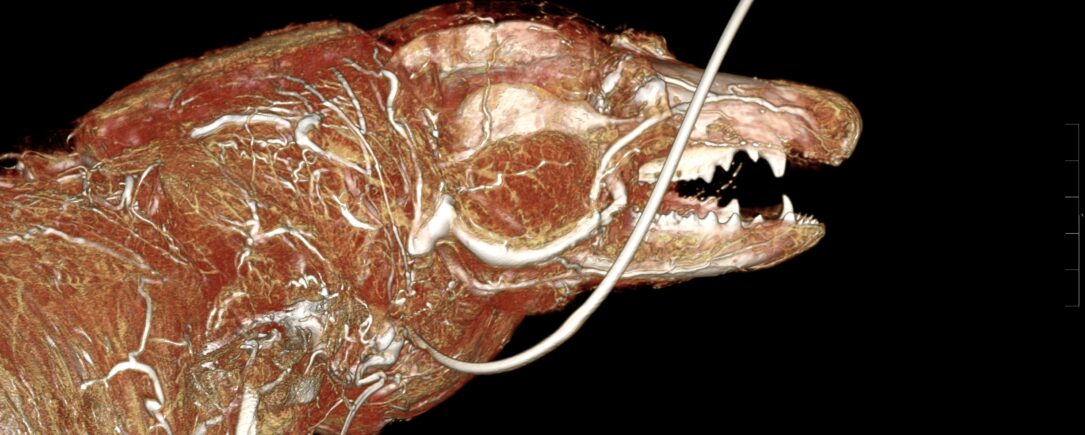
The California sea lion (Zalophus californianus) is native to the west coast of North America. The male and female (featured here) sea lion heads are currently being studied to document their anatomy.  Dr Beth Townsend at Midwestern University is leading the project with the end goal to publish the anatomic findings.  This is a joint project between Midwestern University, Sea World and Scarlet Imaging (www.ScarletImaging.com).  The sea lions are being used as models to study other marine mammals such as…

Read More

Cane toad with BriteVu

Cane toad with BriteVu

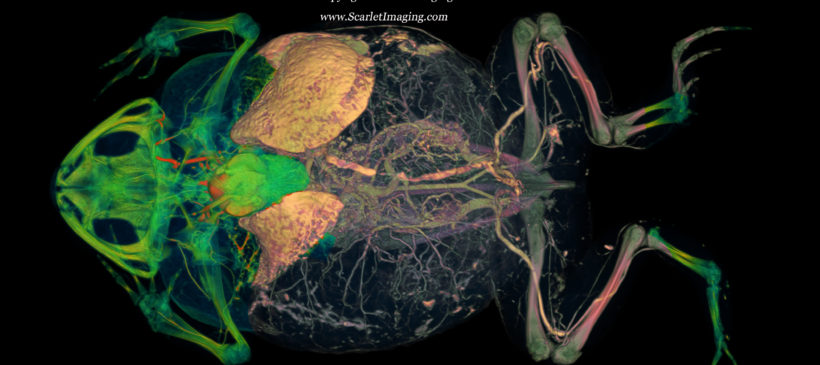
Cane toads (Rhinella marina) originate from Central and South America. Over the past century, cane toads have been introduced into tropical and semi-tropical regions throughout the world. This world’s largest toad species has a voracious appetite and is highly toxic to potential predators. Because of these facts, cane toads are destructive to native animals and difficult to control adding to their status as invasive species. Amphibians in general are in world-wide decline. In response to this problem, the scientific community…

Read More

Snow leopard BriteVu study

Snow leopard BriteVu study

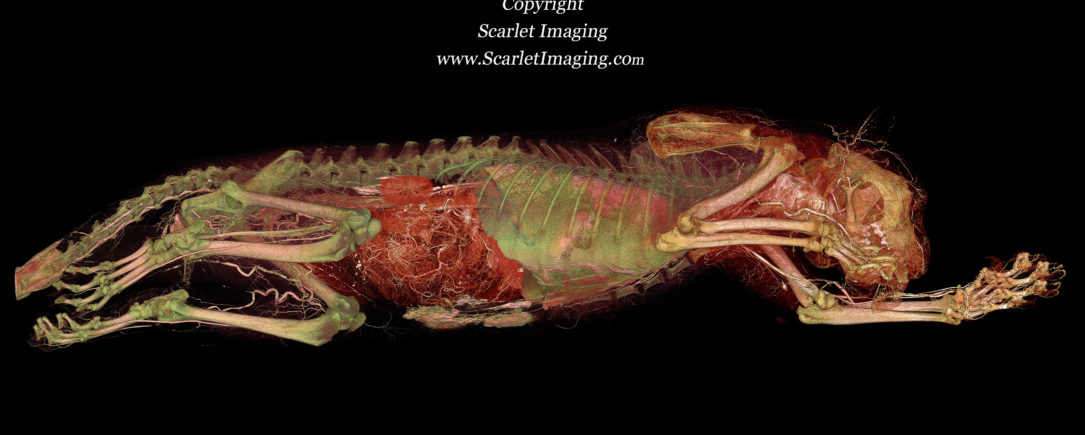
Snow Leopards (Panthera uncia) are native to the mountains of central and south Asia and are listed as vulnerable on the IUCN Red List due to declining numbers in the wild.  Zoologic collections house most of the known captive populations and serve as a source to collect data on these beautiful and threatened species.  As collection animals age and succumb to significant health problems, euthanasia becomes a humane option. The male snow leopard featured here was beloved by caretakers, visitors…

Read More

Rat whole body BriteVu study

Rat whole body BriteVu study

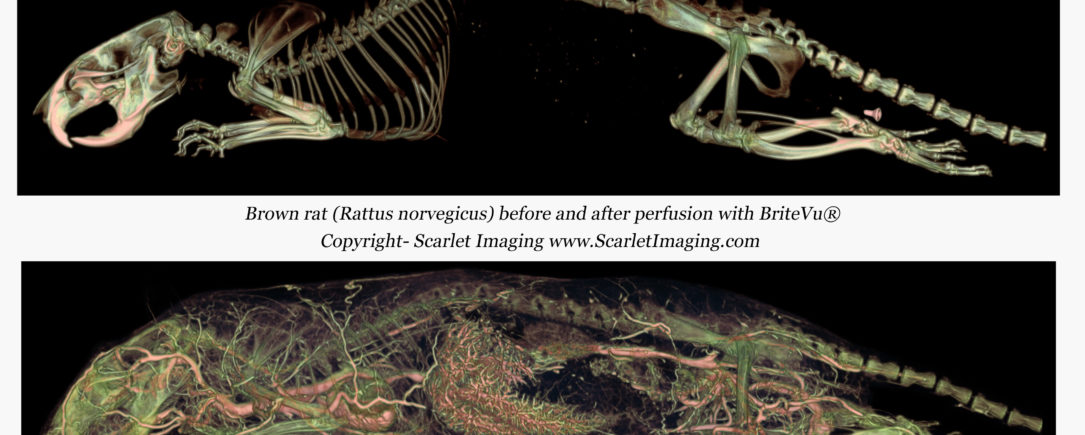
The Brown (or Norway) rat (Rattus norvegicus) is one of the most commonly used animals in research.  Additionally, rats are common pets.  Rodents (mostly mice and rats) are commonly used for many research studies.  Vascular studies make up a significant number of rodent research projects.  By evaluating vasculature, researchers can understand normal anatomy and look for variations that help define disease or ‘abnormalities’. This study involved defining the rat’s ‘whole body’ blood supply.  The rat was first soft tissue preserved…

Read More

Dog cerebrospinal fluid BriteVu study

Dog cerebrospinal fluid BriteVu study

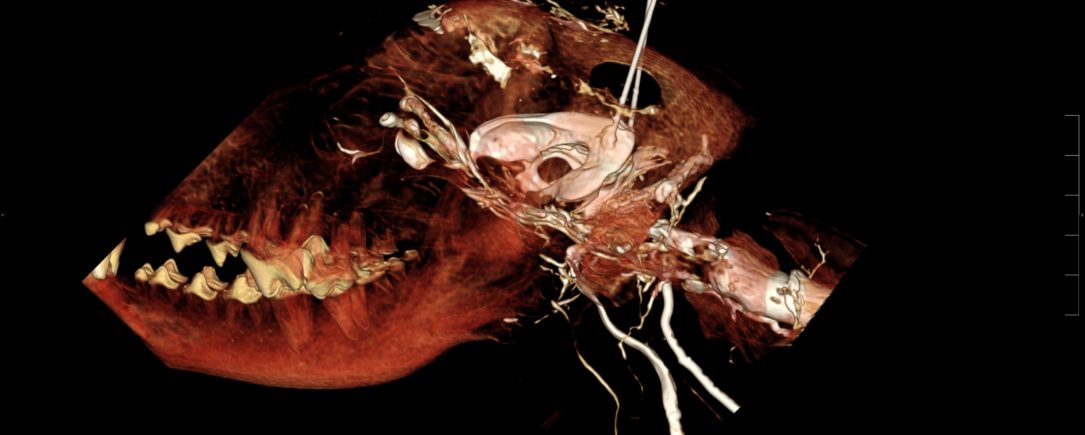
The cerebrospinal fluid (or CSF) is the normally clear and colorless body fluid found in the spaces of the brain and spinal cord. CSF is created by specialized ependymal cells in the ventricles of the brain.  The ventricles are the communicating cavities within the brain.  CSF fluid is often analyzed (via a ‘CSF tap’) to look for abnormalities that help give clues to certain brain disorders.  The shape and size of the ventricles can also give clues to certain brain…

Read More