Helping researchers achieve better answers that change the world

Ball Python Kidney Perfused with BriteVu

Ball Python Kidney Perfused with BriteVu

Ball python (Python regius) kidney perfused with BriteVu Mouse.  The ball python kidney blood supply is beautifully shown with the aid of BriteVu contrast and a CAT scan (Siemens Inveon micro CT scanner 50 µm ‘slice thickness’).  The paired renal artery and vein are seen along with the smaller vasculature along the elongated kidney typical of snakes.  BriteVu brings large and small vascular anatomy to life in ways that have never been seen before.  This creates new learning and teaching…

Read More

Ball Python Head Perfused with BriteVu

Ball Python Head Perfused with BriteVu

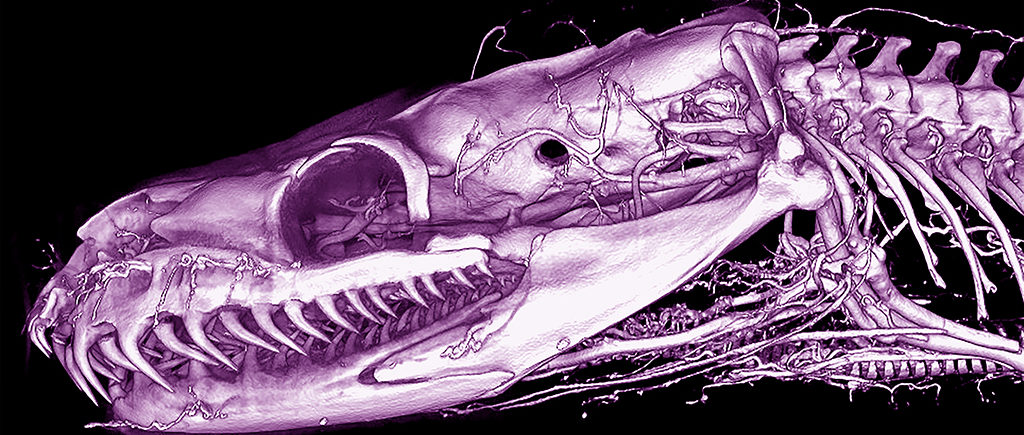
Ball python (Python regius) head.  The python was perfused with BriteVu plus 2% Dawn Ultra dish soap. A Siemens Inveon micro CT scanner (50 µm ‘slice thickness’) was used to obtain the images.  False color was added to this lateral (side) image of the head.  Note the small vessels exiting the ‘heat pits’ on the side of the upper jaw in front of (rostral to) the eye ring.  These pits are believed to be used for infrared sensing.  The degree of…

Read More

Human knee with BriteVu contrast

Human knee with BriteVu contrast

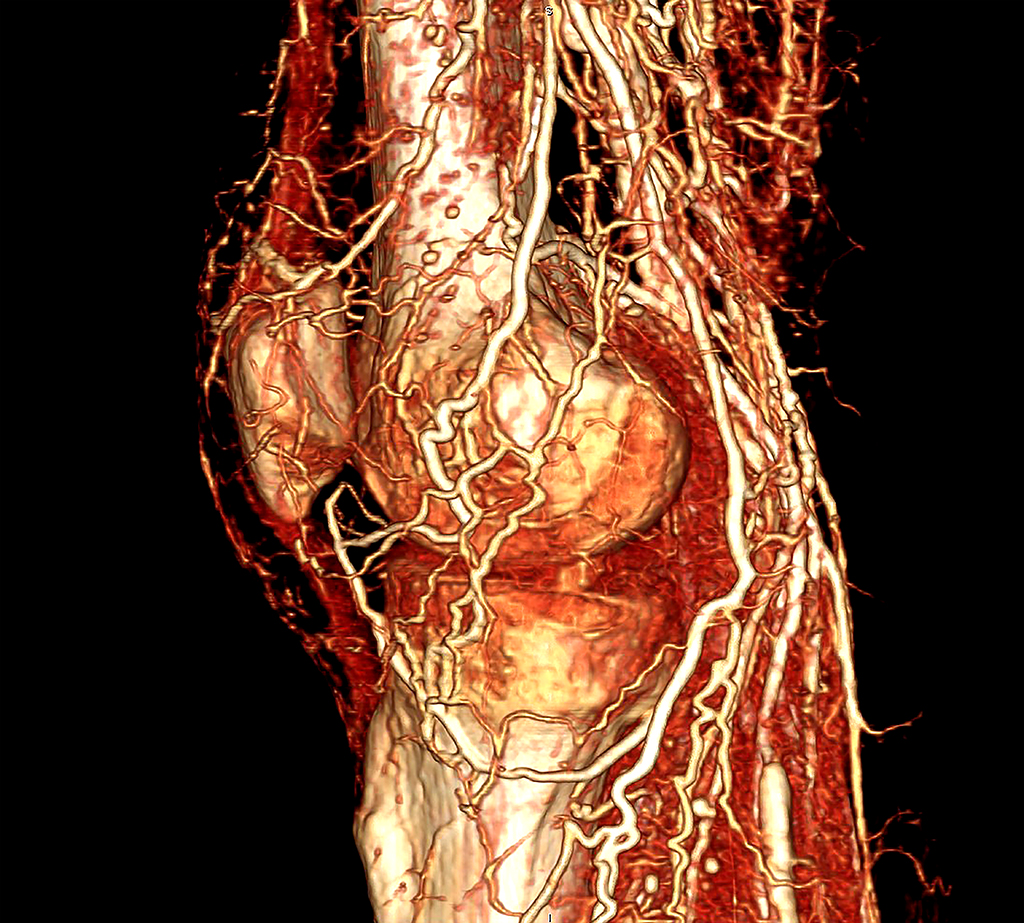
Human knee perfused with BriteVu courtesy of Dr. Bruce Wainman, Education Program in Anatomy, at McMaster University.  As a part of a whole cadaver perfusion, the knee was isolated and image adjusted to show the deeper vessels.  BriteVu Special Projects was used as the contrast agent. CT performed on a GE clinical scanner and 1 mm slices taken. Images such as these are being used to teach anatomy unlike ever before.  The images can be converted to 3D viewing tables…

Read More

Rat Head with Tongue Blood Supply

Rat Head with Tongue Blood Supply

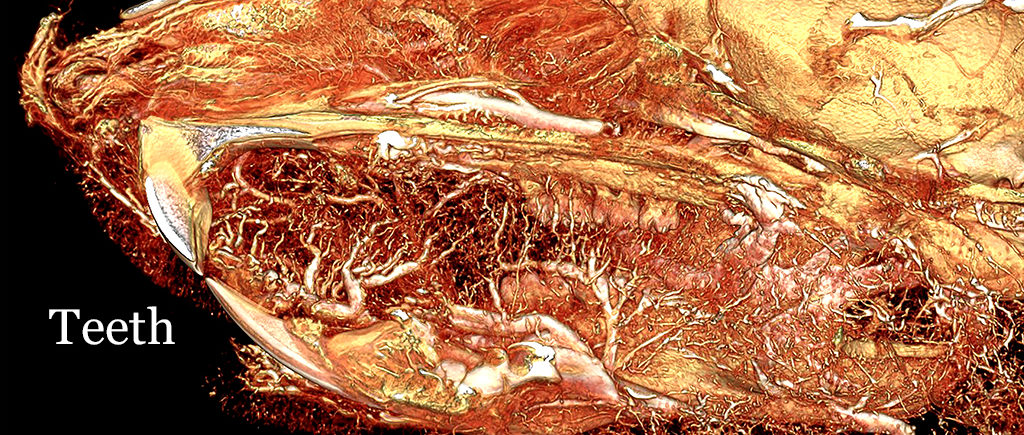
A whole rat head was perfused with BriteVu and multiple areas were evaluated for their blood supply.  As several researchers are currently studying the blood supply to the jaw and oral cavity, this area has been of interest.  Here the rat head has been digitally ‘cut’ to show the head split down the middle from front (rostral) to back (caudal).  The highly vascular tongue is shown just behind (to the right of) the teeth.  Also the vasculature to the lower…

Read More

Rat Ovaries and Uterine Horns Perfused with BriteVu

Rat Ovaries and Uterine Horns Perfused with BriteVu

After total body perfusion with BriteVu, the rat’s ovaries, uterine horns and uterus were removed for individual micro CT scanning (35µm).  The body of the uterus is to the left and can be seen separating into the individual left and right uterine horns and finally ending in the ovaries (far right).  The blood supply to the uterine horns and ovaries are readily apparent and in stunning detail.  Such studies can be used to understand blood flow to the female reproductive…

Read More

Why is BriteVu the Best Contrast Agent?

BriteVu offers several distinct advantages over the competition (terminal research contrast agents): –First BriteVu is easy to prepare (simply mix the dry powder with warmed water, physiologic solutions or phenol) in a stirring hot plate. BriteVu also readily mixes with common water soluble dyes (especially food colorings, fluorescein, etc) creating additional color and special labeling options. Major competitor products must be mixed with specific solvents, reagents or other chemicals to perform properly. –Second, and in stark contrast to the competition,…


Read More

BriteVu contrast enhanced image of a human cadaver head

BriteVu contrast enhanced image of a human cadaver head

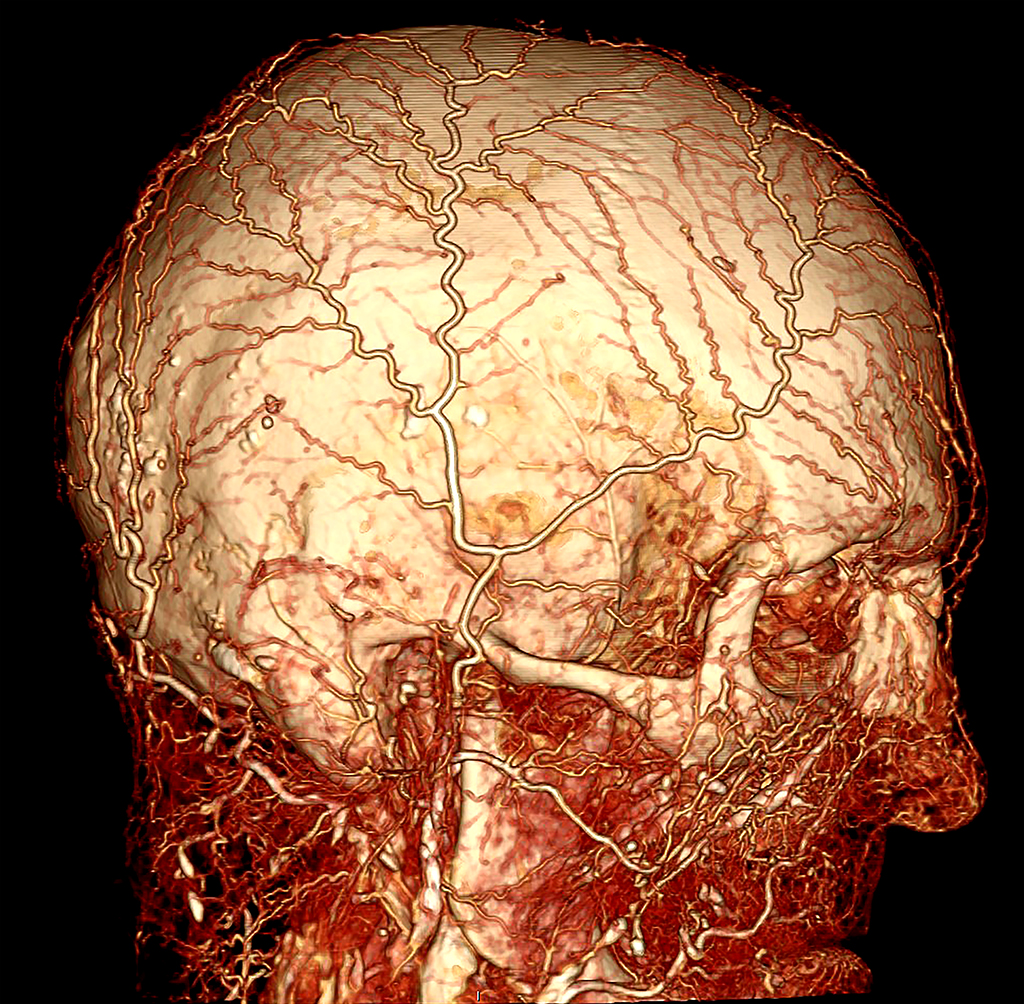
Pictured is a lateral (side) BriteVu contrast enhanced image of a human cadaver head.  The perfusion was completed by Dr Bruce Wainman (Education Program in Anatomy) at McMaster University.  Vessels coursing over and around the skull are seen throughout the image. This type of study allows one to see the blood vessels in 3D and is very helpful for students, teachers, surgeons and others that want to know the location and orientation of the vascular anatomy of the human head….

Read More

Contrast enhanced image of a human cadaver head

Contrast enhanced image of a human cadaver head

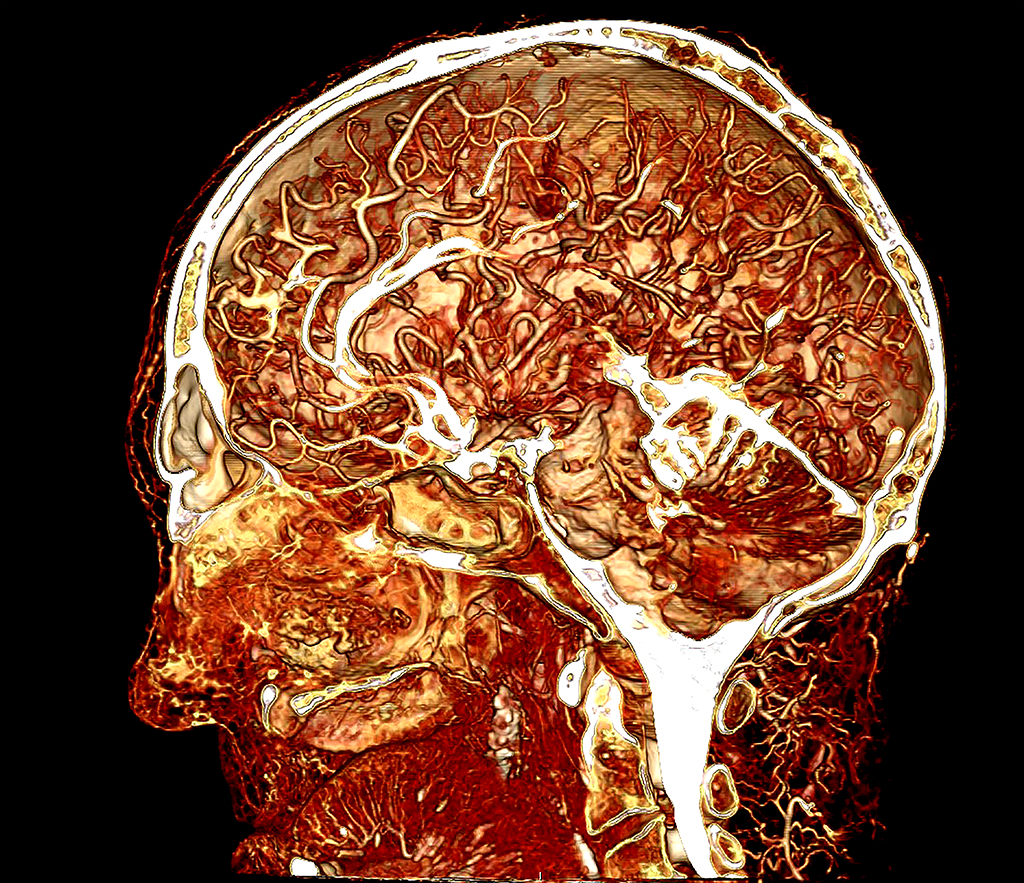
Above is the first complete detailed contrast enhanced (BriteVu) image of a human cadaver head.  The perfusion was completed by Dr Bruce Wainman (Education Program in Anatomy) at McMaster University.  The head was (digitally) cut down the middle (sagittal section) to show the blood supply inside the brain, nasal passages, spine and even the tongue.  This type of study allows one to see the blood vessels in 3D and is very helpful for students, teachers, surgeons and others that want…

Read More

BriteVu Contrast Agent is in a Peer Reviewed Article!

BriteVu Contrast Agent is in a Peer Reviewed Article!

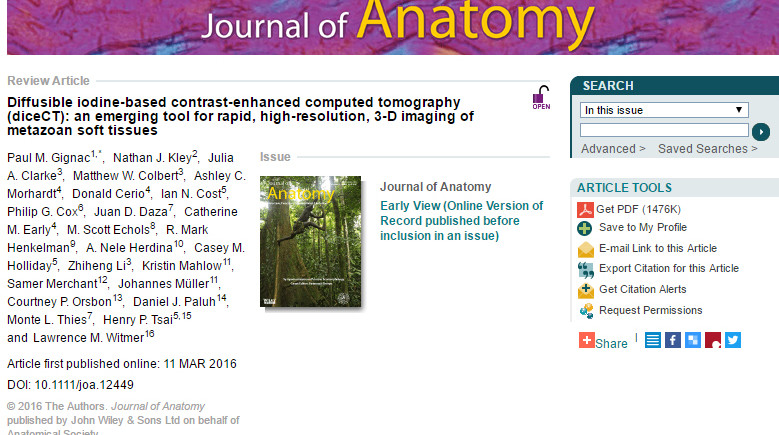
March 11, 2016: BriteVu contrast agent is in the peer reviewed literature!  First description of BriteVu is in the Journal of Anatomy: http://onlinelibrary.wiley.com/doi/10.1111/joa.12449/full.  This extensive paper discusses the use of diffusible iodine based contrast enhanced CT imaging.  The authors evaluated numerous types of iodine diffusible stains and perfusable contrast agents (including BriteVu).  Also BriteVu is directly compared to other commonly used terminal contrast agents.

Read More

Mouse Liver Perfused with BriteVu + Metaflow

Mouse Liver Perfused with BriteVu + Metaflow

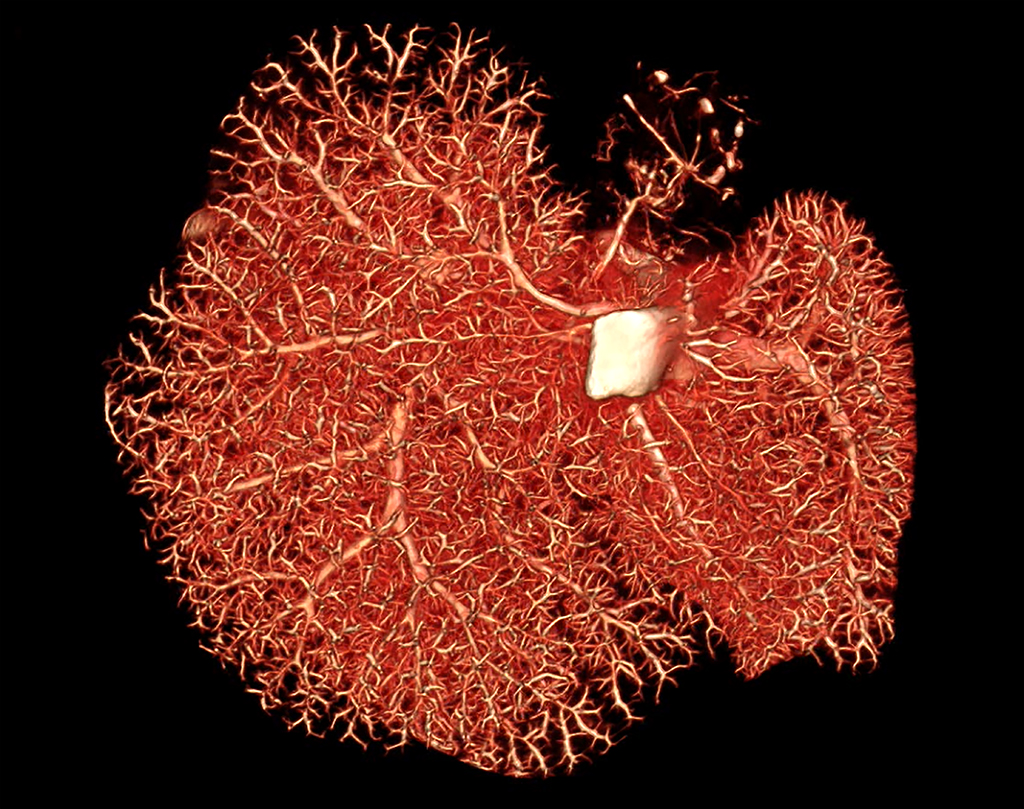
As different researchers have been requesting specific features (when looking at vascular structures), our team has been using a variety of techniques to improve image quality with BriteVu.  This image shows the caudal side of a mouse liver perfused with BriteVu and Metaflow (The Dodge Company, http://www.dodgeco.com/). The addition of metaflow improved perfusion, including continuity of filling, of some vascular organs.  For more details as to how we used Metaflow with BriteVu perfusions, please ‘Contact’ us.  Scanned on Siemens Inveon…

Read More

Pigeon Brain and Eyes BriteVu Contrast Perfusion

Pigeon Brain and Eyes BriteVu Contrast Perfusion

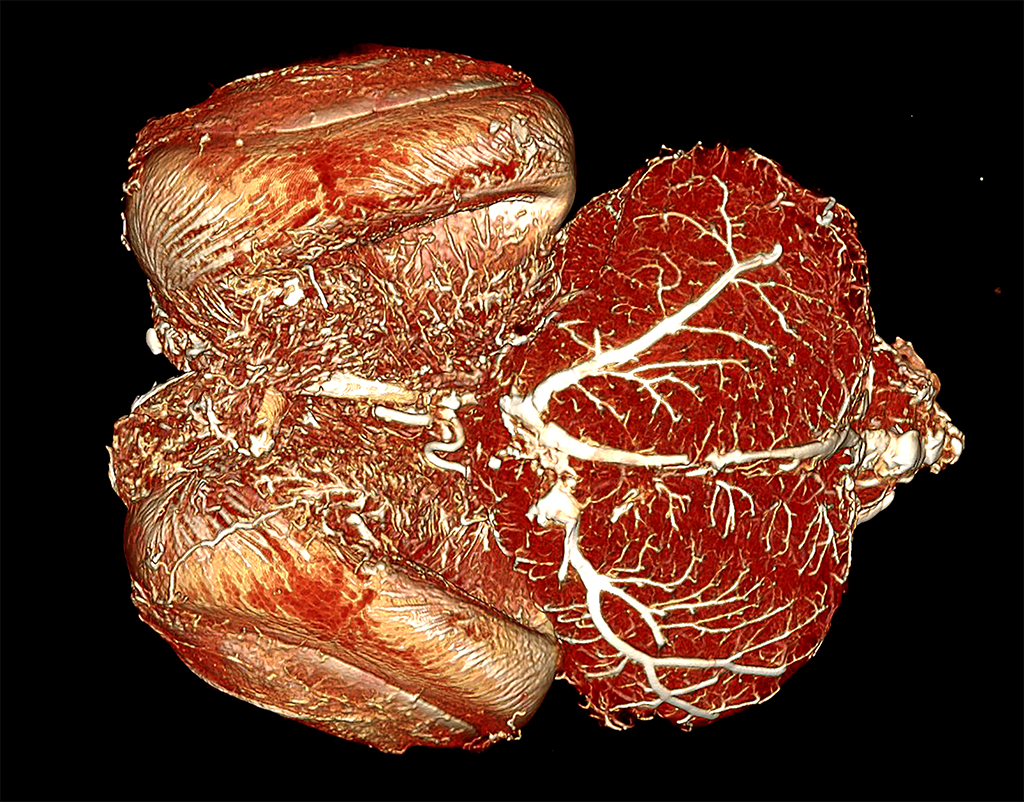
Pigeon brain and eyes perfused with BriteVu.  The pigeon was part of an anatomy study evaluating the wing and leg vasculature.  The brain and eyes were saved and scanned.  This is a dorsal-ventral (or top to bottom) view of the brain (right) and eyes (left).  Scanned on Siemens Inveon Micro CT at 35 µm.

Read More